
What is Low Relaxation PC Strand?
Introduction
Low relaxation PC strand is a high-strength steel strand used in prestressed concrete applications. It is designed to minimize the loss of prestressing force over time, making it a preferred choice for modern infrastructure projects such as bridges, buildings, parking structures, and post-tensioned slabs.
Compared with ordinary prestressing strand, low relaxation strand maintains a higher percentage of its initial tension during long-term service, which improves structural performance and durability.
What Does “Low Relaxation” Mean?
Relaxation is the gradual reduction of stress in a steel strand when it is held at a constant length under tension. In prestressed concrete, excessive relaxation can reduce the effectiveness of the prestressing force.
Low relaxation PC strand is manufactured through controlled heat treatment and stabilization processes that significantly reduce stress loss during service.
Typical relaxation loss is much lower than that of standard prestressing strand, which helps engineers maintain the designed prestressing force over decades.
Common Standards
Low relaxation PC strand is commonly produced according to international standards such as:
ASTM A416: Standard Specification for Low-Relaxation, Seven-Wire Steel Strand for Prestressed Concrete.
BS 5896: Steel wire and strand for prestressed concrete.
EN 10138: Prestressing steels.
These standards define requirements for tensile strength, elongation, dimensions, and relaxation performance.
Typical Sizes
The most widely used sizes include:
Nominal Diameter | Common Use |
|---|---|
9.3 mm | Light prestressing applications |
12.7 mm (0.5") | Buildings and slabs |
15.2/15.24 mm (0.6") | Bridges and major structures |
15.7 mm | Heavy-duty prestressing systems |
Key Advantages
Reduced Stress Loss
Maintains prestressing force more effectively over time.
Improved Structural Performance
Enhances crack control and deflection resistance.
Long Service Life
Suitable for infrastructure designed to last for decades.
Compliance with International Standards
Widely accepted in global construction projects.
Applications
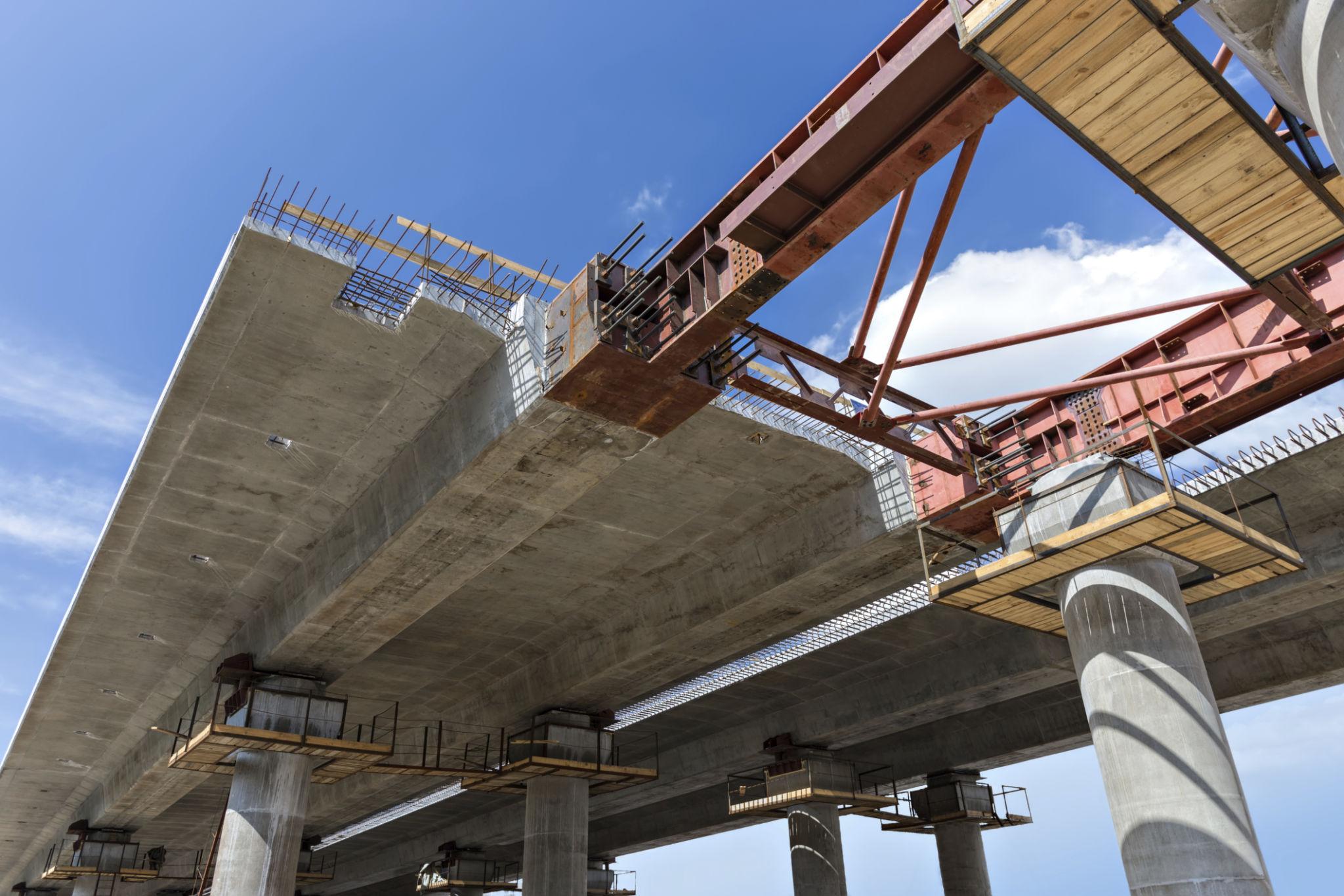
Low relaxation PC strand is commonly used in:
Prestressed concrete bridges
Post-tensioned building slabs
Parking structures
Railway sleepers
Water tanks and silos
Industrial facilities
How It Is Manufactured
The manufacturing process typically includes:
Wire drawing from high-carbon steel rod.
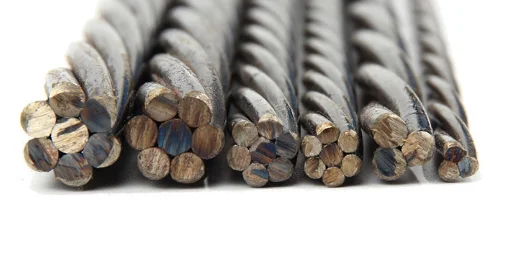
Stranding of multiple wires into a seven-wire configuration.
Heat treatment and stabilization to achieve low relaxation properties.
Quality inspection and testing according to applicable standards.
Choosing the Right Strand
When selecting low relaxation PC strand, consider:
Required tensile strength
Diameter and cross-sectional area
Project design specifications
Applicable standards (ASTM, BS, EN, etc.)
Corrosion protection requirements
Conclusion
Low relaxation PC strand is an essential material for modern prestressed concrete construction. By minimizing long-term stress loss, it helps engineers achieve safer, more durable, and more efficient structures. Products manufactured to standards such as ASTM A416 are widely used worldwide for bridges, buildings, and post-tensioning systems.
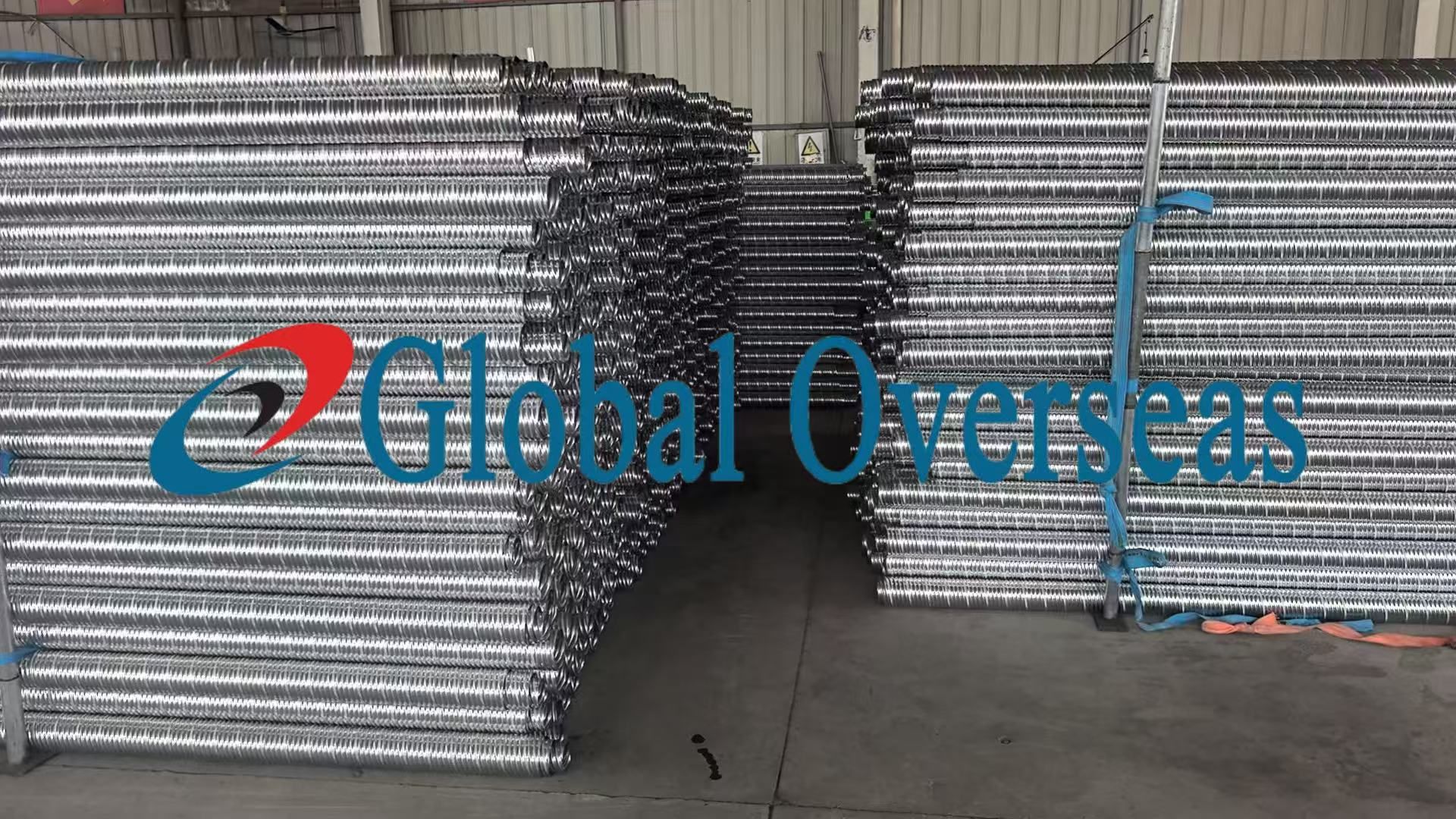 Galvanized Corrugated Ducts &a
 The Difference in Lay Directio
 The Difference in Lay Directio
The Difference in Lay Directio
The Difference in Lay Directio