
Bonded vs Unbonded PC Strand
Introduction
Prestressed concrete structures commonly use either bonded or unbonded PC strand. Both systems provide prestressing force to concrete, but they differ in how the strand interacts with the surrounding concrete after installation.
Understanding these differences helps engineers choose the most suitable system for a specific project.
What Is Bonded PC Strand?
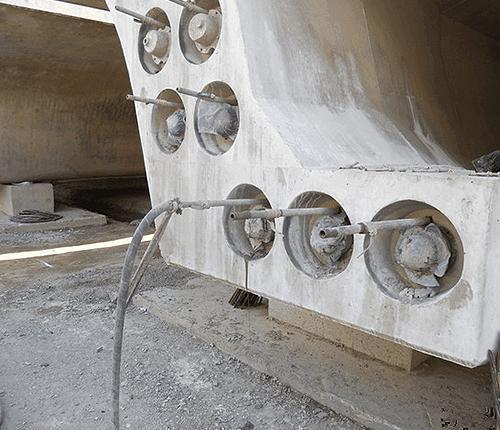
In a bonded system, the strand is placed inside a duct and tensioned after the concrete has hardened. The duct is then filled with cement grout, creating a bond between the strand and the concrete.
This bond allows the prestressing force to be distributed along the length of the tendon.
What Is Unbonded PC Strand?
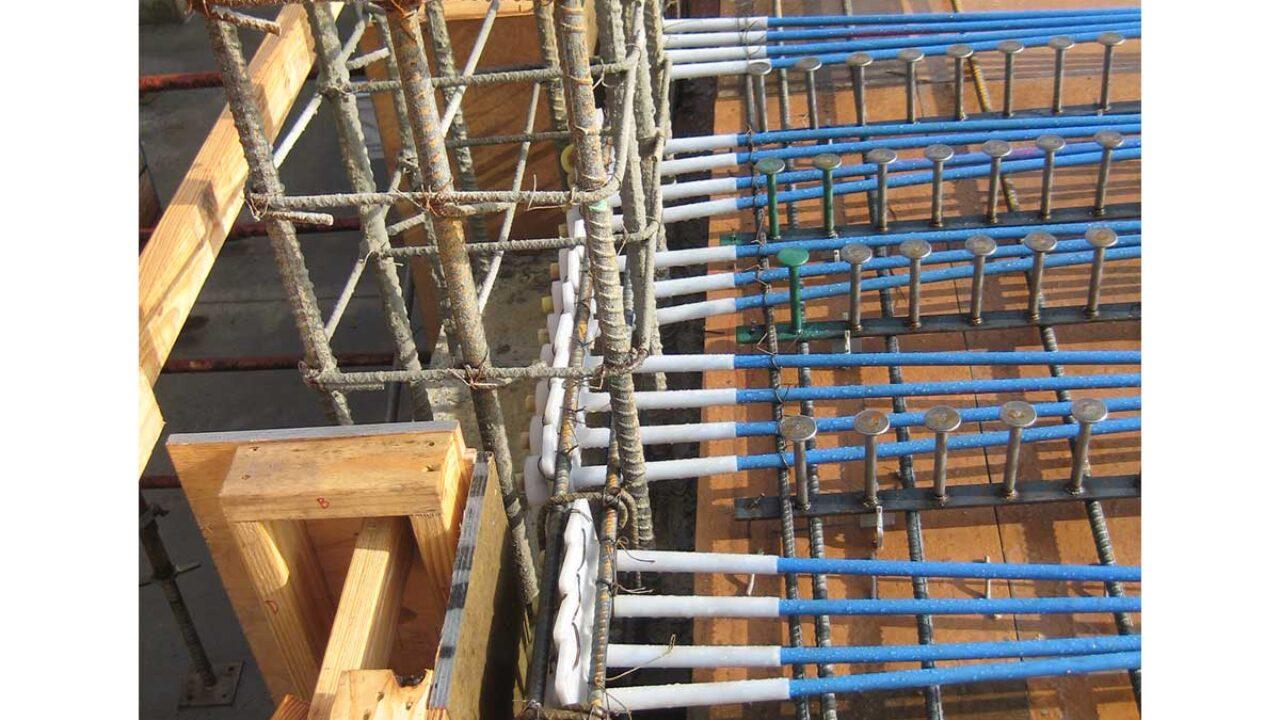
Unbonded strand is coated with grease and covered by a protective plastic sheath. The strand remains free to move relative to the concrete along most of its length, and the prestressing force is transferred primarily through the anchorages.
This system is widely used in post-tensioned building slabs.
Key Differences
Feature | Bonded Strand | Unbonded Strand |
|---|---|---|
Bond to concrete | Yes, through grout | No, except at anchorages |
Corrosion protection | Grout provides protection | Grease and sheath provide protection |
Force transfer | Along the tendon length | Mainly at anchorages |
Typical applications | Bridges, heavy infrastructure | Building slabs, parking structures |
Maintenance | More difficult to replace | Relatively easier to inspect and replace |
Advantages of Bonded Strand
Superior Redundancy
If a local failure occurs, the bond helps redistribute forces.
Excellent Performance in Large Infrastructure
Commonly preferred for bridges and major civil works.
Good Corrosion Protection
Grouting protects the strand from moisture and contaminants.
Advantages of Unbonded Strand
Simpler Installation
No grouting operation is required.
Reduced Construction Time
Especially beneficial for slab construction.
Easier Future Modification
Tendons may be easier to inspect or replace in some cases.
Typical Applications
Bonded Strand
Prestressed concrete bridges
Segmental bridge construction
Heavy industrial structures
Long-span infrastructure projects
Unbonded Strand
Post-tensioned building slabs
Parking garages
Residential and commercial floors
Structures requiring flexible tendon layouts
Which System Should You Choose?
The choice depends on:
Structural requirements
Project size and complexity
Construction schedule
Durability expectations
Maintenance considerations
For major infrastructure, bonded systems are often preferred for their structural redundancy and durability. For building slabs, unbonded systems are frequently selected because of their installation efficiency.
Conclusion
Both bonded and unbonded PC strand systems are proven technologies in prestressed concrete construction. Bonded strand offers excellent long-term structural performance, while unbonded strand provides faster installation and greater flexibility. Selecting the appropriate system requires balancing design, durability, construction, and maintenance requirements.
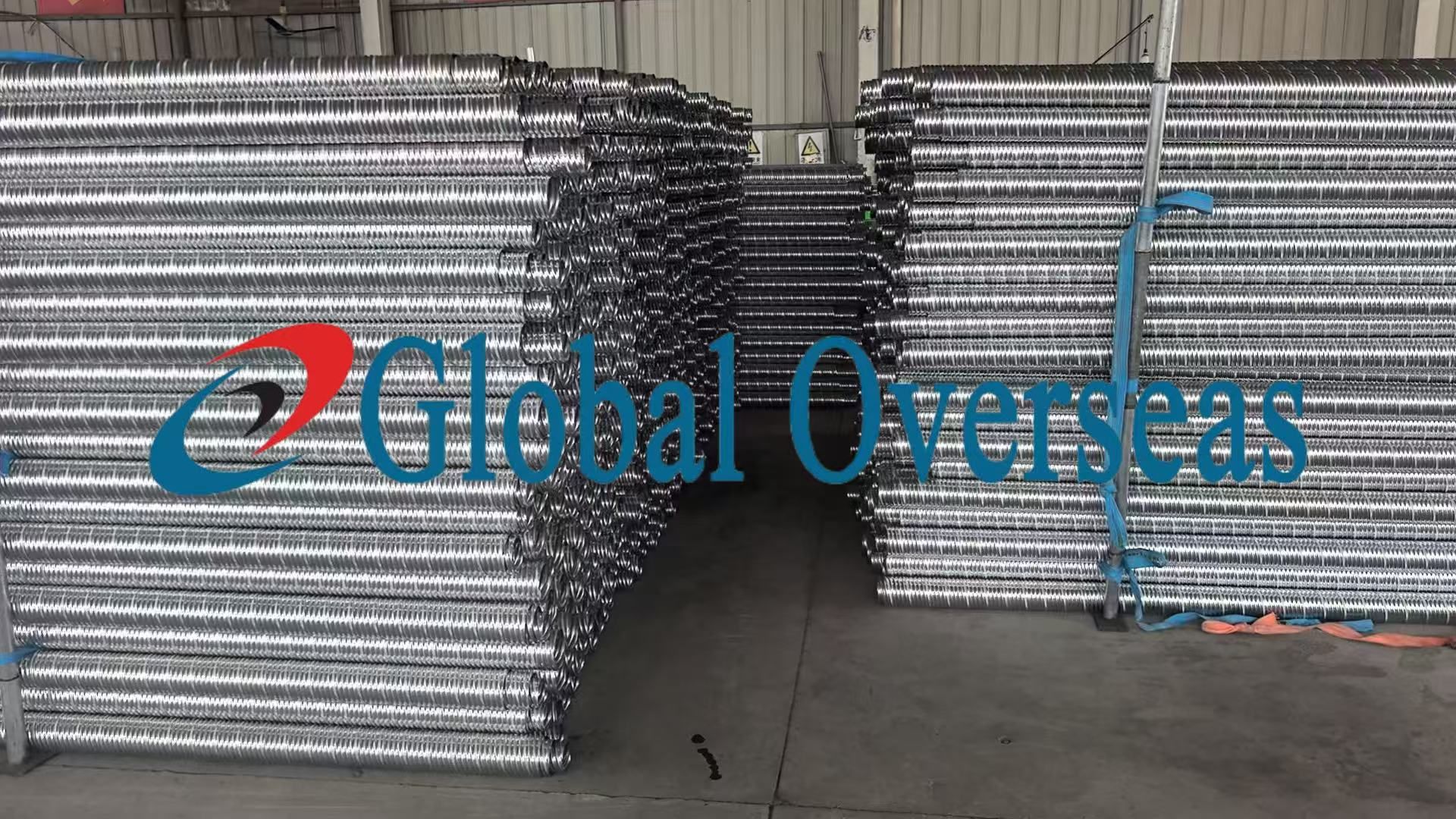 Galvanized Corrugated Ducts &a
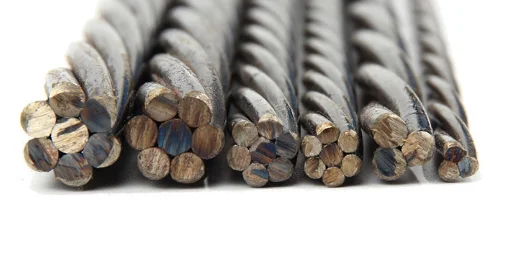 The Difference in Lay Directio
 The Difference in Lay Directio
The Difference in Lay Directio
The Difference in Lay Directio